

Introduction
Beyond the Movie Scene
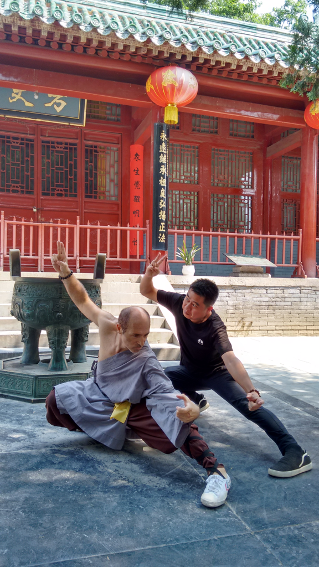
A flying kick makes a great movie scene. Practicing the same stance over and over usually doesn’t. It’s easy to see why the first image is what people remember when they think about kung fu.
But the second image matters just as much. Behind a movement that looks effortless is someone who had to practice it, make mistakes, and try again.
I think this is where kung fu runs into a problem with American consumer culture. We’re used to products and services that promise to save us time.
Kung fu asks us to spend time, sometimes without seeing much progress right away.
01 ·
More Than Learning to Fight
Kung fu developed over centuries through different Chinese communities, families, and schools. It includes many styles with their own techniques and ways of teaching. Along with fighting skills, these traditions have passed down ideas about conduct and responsibility.1
This helps explain why the ordinary parts of training matter. Repeating a movement makes you pay attention to small details. Listening to corrections means accepting that you still have something to work on. Improvement might be as simple as keeping your balance a little better than you did last week.
Those changes may not look impressive to someone watching, but they give patience and discipline a practical meaning.
02 ·
The Kung Fu We Meet in Movies
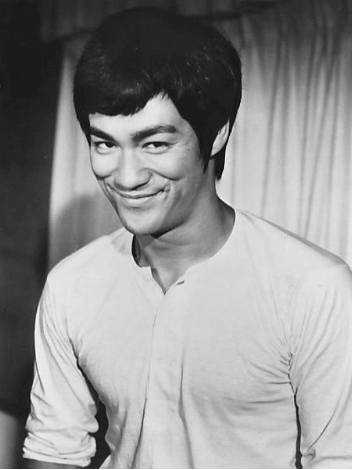
Bruce Lee is one reason kung fu became familiar to audiences outside China. His career connected Hong Kong and Hollywood, and Enter the Dragon, released in 1973, made him an international star.2
For a younger viewer, that introduction might come from Kung Fu Panda. There's nothing wrong with that. A movie can make someone curious enough to sign up for a class.
The problem comes when movie training becomes the expectation. On screen, a few scenes can take a character from a struggling beginner to a confident fighter. In a real class, you might still be working on the same basic movement long after the excitement of your first lesson has worn off.
Movies can teach perseverance, but watching someone persevere is much easier than doing it yourself.
03 ·
Paying for Lessons, Expecting Results
Martial arts schools have bills to pay. Teachers need an income, and students need a place to learn. Charging money for lessons is a normal part of making that possible.
Still, there can be tension between what students want and what they need. Someone paying every month may expect to keep moving up. A teacher may know that the student needs more time with the basics.
Some kung fu schools use colored belts or sashes to mark progress; others do not. Shaolin Wahnam, for example, teaches through a structured program without a colored sash system.3
Either approach can give students goals. What matters is whether advancement reflects what they've learned. If a school starts rushing students forward just to keep them happy, the meaning of progress begins to change.
04 ·
What Gets Attention Online
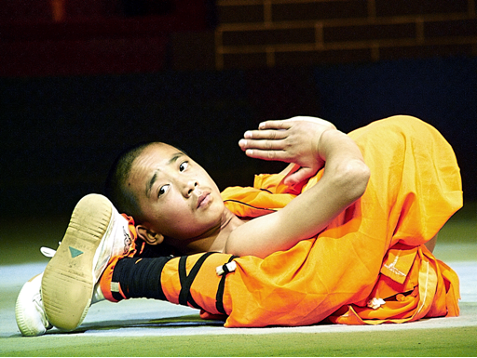
The same pressure shows up differently on social media. A flying kick is easy to appreciate in a few seconds. Understanding why a teacher keeps correcting someone's stance takes more explanation. It's understandable that someone making a video would choose the exciting moment. But if that's all viewers see, they can miss how the skill was developed. An impressive clip may represent years of serious practice. The clip itself just doesn't always tell us that.
I think social media could do more with this missing part of the story. A teacher could show a common mistake and explain how to fix it. A student could share the attempts that came before a successful movement. That would give people a more honest idea of learning kung fu.
05 ·
Why Sharing It Still Matters
Even with these problems, I don't think kung fu would be better off without movies, schools, or social media. All three can help people discover it.
Someone might join a class because they want to move like a movie character, then stay because they enjoy learning with other students. Over time, they might become interested in the history of their style or the ideas their teacher brings into practice. That seems like a worthwhile beginning. People don't need to understand an entire tradition before becoming curious about it. They need opportunities to learn more once that curiosity starts.
06 ·
What I Hope Stays
Kung fu will change as new people learn and teach it. I don't think every change means something has been lost. Making classes welcoming or using videos to explain techniques can help a tradition continue.
What concerns me is the promise that learning should always be fast, easy, and entertaining. Sometimes it means taking a correction, slowing down, or practicing something you thought you already knew.
A flying kick may always get more attention than a basic stance. I'd like the work behind that kick to get some attention too.
Research Notes
Works Cited
- International Wushu Federation. “Traditional Wushu.” International Wushu Federation, iwuf.org/en/sport-wushu/traditional-wushu.
- Bruce Lee Enterprises. “Bruce Lee.” Bruce Lee Official Website, brucelee.com.
- Wong, Kiew Kit. “Awarding of Belts and Shaolin Kungfu.”
- Shaolin Wahnam Institute. Reproduced from “March 2006 Part 2”, shaolin.org.